Our Story
A More Thoughtful Way to Set the Table
We started with a simple idea: the pieces we use every day should feel considered, useful, and easy to live with. A table does not need to be formal to feel special, and it does not need to be perfectly matched to feel complete.
From quiet breakfasts to weeknight dinners and longer meals shared with friends, tableware becomes part of the rhythm of everyday life. We look for pieces that can move easily between those moments — plates that work just as well for a simple lunch as they do for a more carefully set table, serving bowls that feel practical enough for daily use, and dinnerware that can be added to over time rather than treated as a fixed set.
Our approach is less about creating one finished look and more about building a table gradually. Different shapes, subtle colors, familiar forms, and useful proportions can sit together naturally and still feel connected.
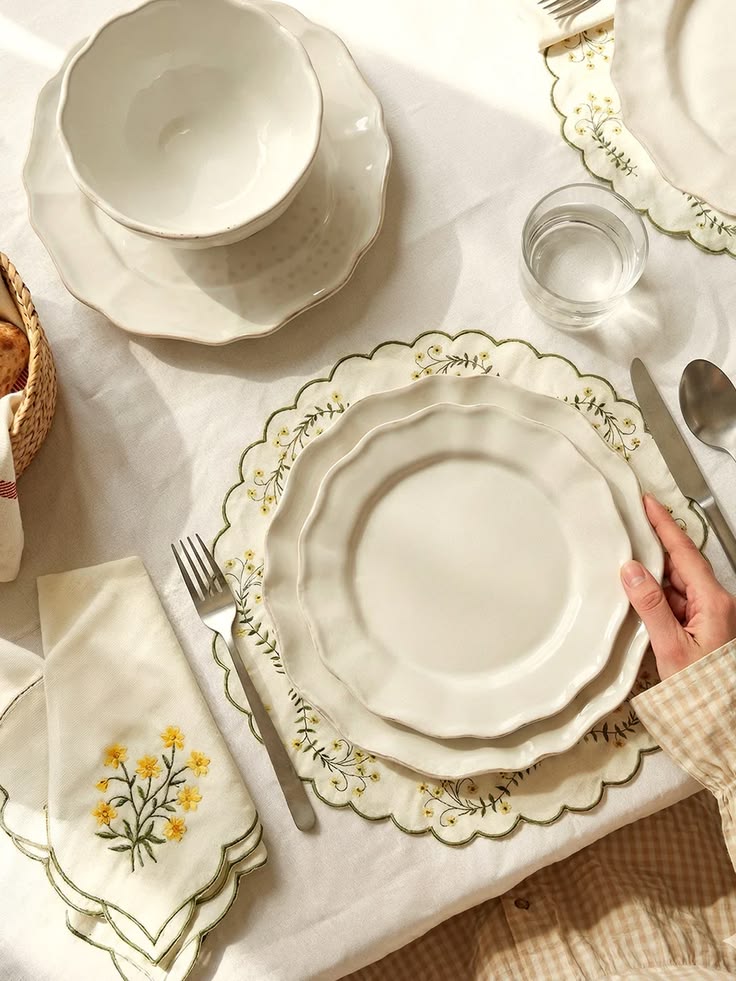
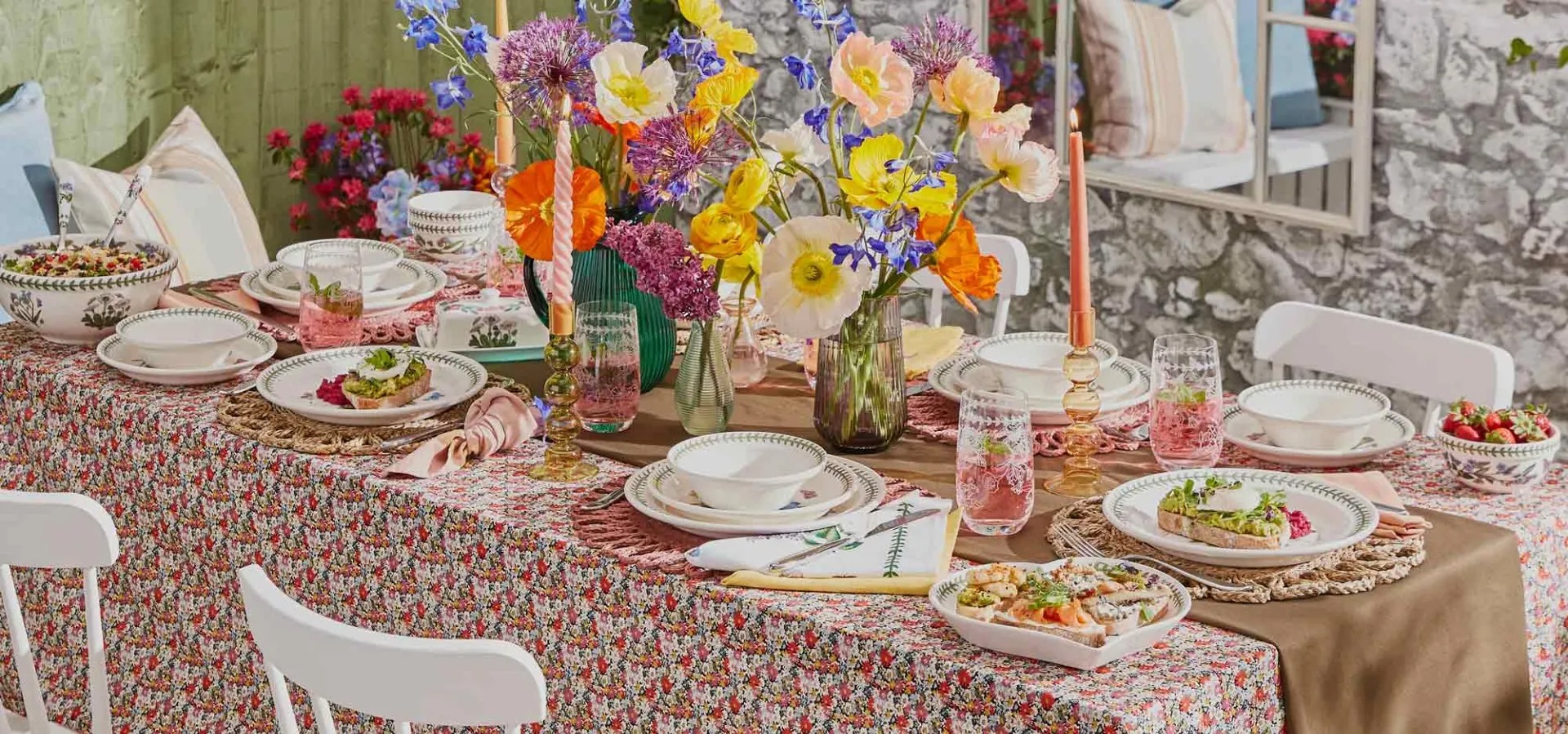
Designed Around Everyday Use
We believe tableware should work well before it does anything else. The way a plate sits in the hand, the depth of a bowl, the proportions of a serving piece, and how easily different pieces can be combined all matter when something becomes part of daily life.
That is why we focus on pieces that feel adaptable rather than overly specific. A serving bowl might hold fruit in the morning, pasta at dinner, or something shared across the table when guests arrive. Side plates can sit beside a full dinner setting or be used on their own for smaller meals and snacks.
We also like collections that leave room for change. Instead of expecting every item on the table to come from the same set, we prefer combinations that can grow naturally. A few new pieces can sit alongside older favorites without making the table feel unfinished.
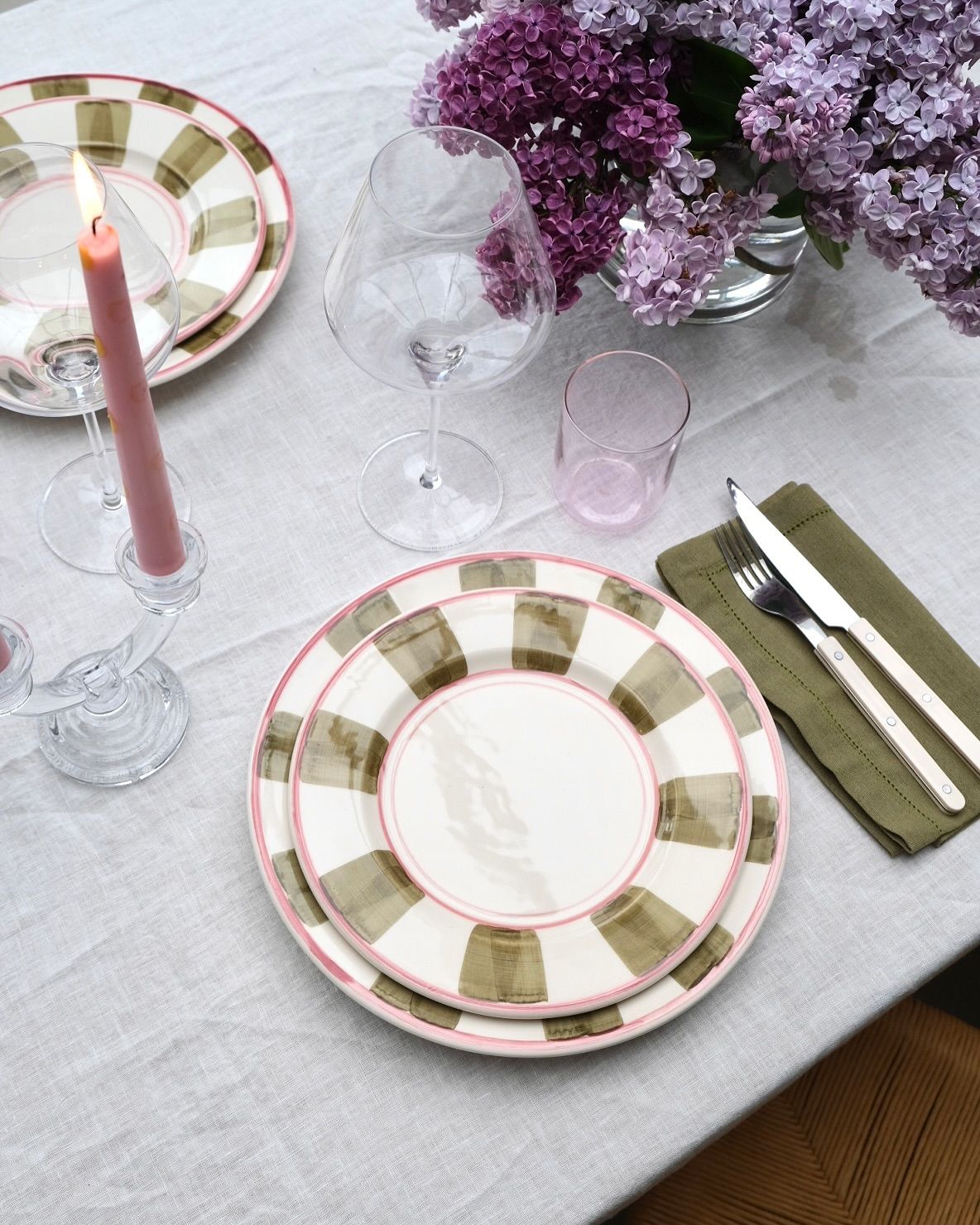
Collected, Not Over-Styled
We are drawn to tables that feel personal rather than perfectly arranged. The most interesting settings often come together slowly — a favorite plate used again and again, a bowl chosen because of its shape, or a serving piece that only comes out when several people are gathered around the table.
Small differences in tone, edge detail, texture, and form can make a setting feel more relaxed. Soft blues, warm whites, subtle neutrals, and natural ceramic finishes work especially well because they can move between different spaces and different seasons without feeling tied to a single look.
Rather than building around strict matching, we prefer balance. A quieter plate can sit next to a more distinctive bowl. Smooth surfaces can be paired with pieces that have more texture. Glass, linen, wood, and metal can all become part of the same table without competing with one another.
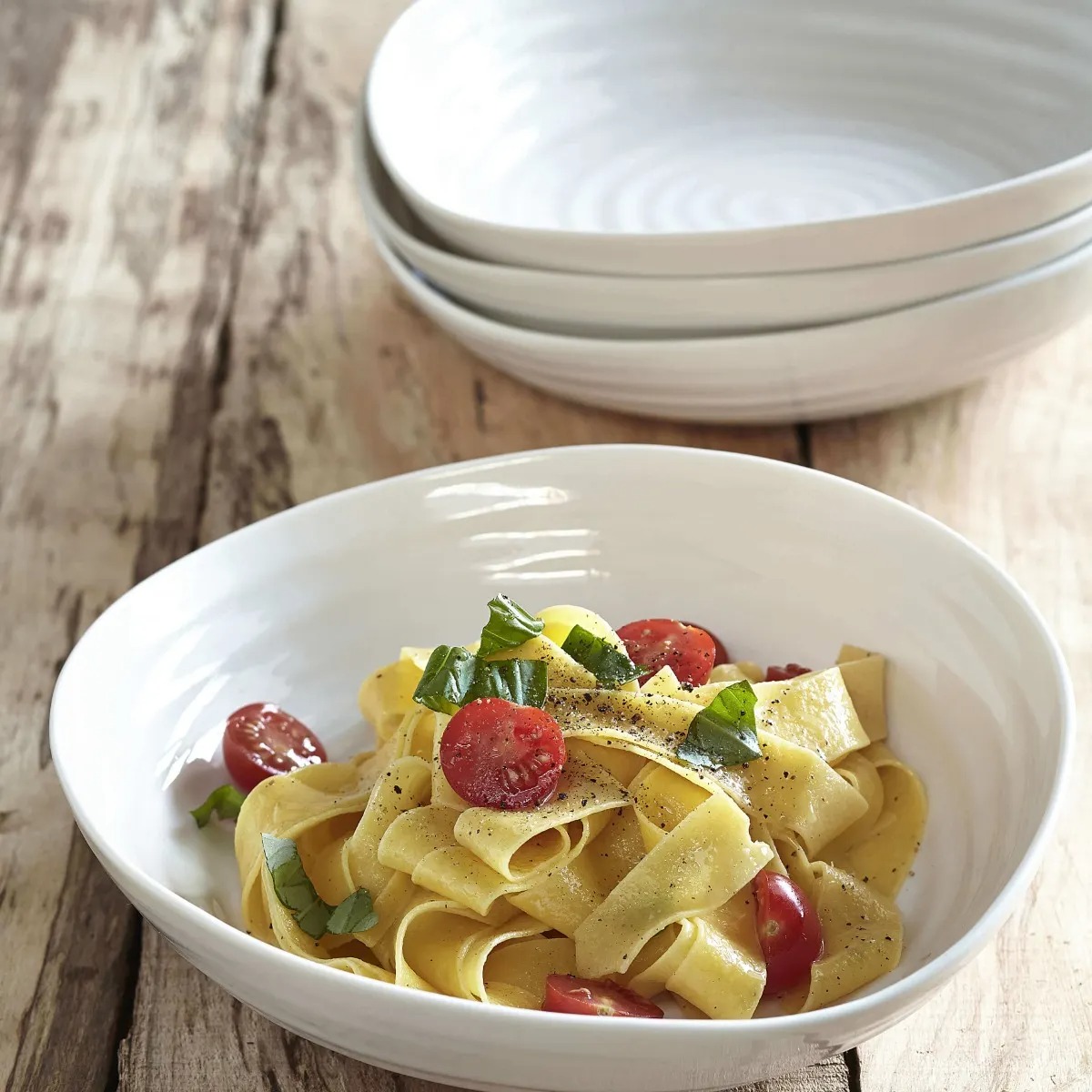
What We Look For
Practicality is always part of the decision. We look for tableware that feels appropriate for real meals, not only styled photographs. Useful proportions, comfortable shapes, and pieces that can be brought out regularly are more important to us than something that only works for a particular occasion.
Appearance still matters, but we prefer details that remain easy to live with. A small change in color, a softly shaped edge, a simple line, or a slightly unusual silhouette can give a piece character without making it difficult to combine with the rest of the table.
We also think about how pieces work across different kinds of meals. The same home might need a simple setup for one person during the week and a fuller table when friends or family arrive. Tableware that can move comfortably between those situations makes a collection more useful over time.
There is no need to complete a table all at once. We prefer the idea of adding pieces slowly, replacing what is no longer useful, and keeping the items that continue to feel right. Over time, that creates a table that reflects how someone actually lives rather than a single finished image.
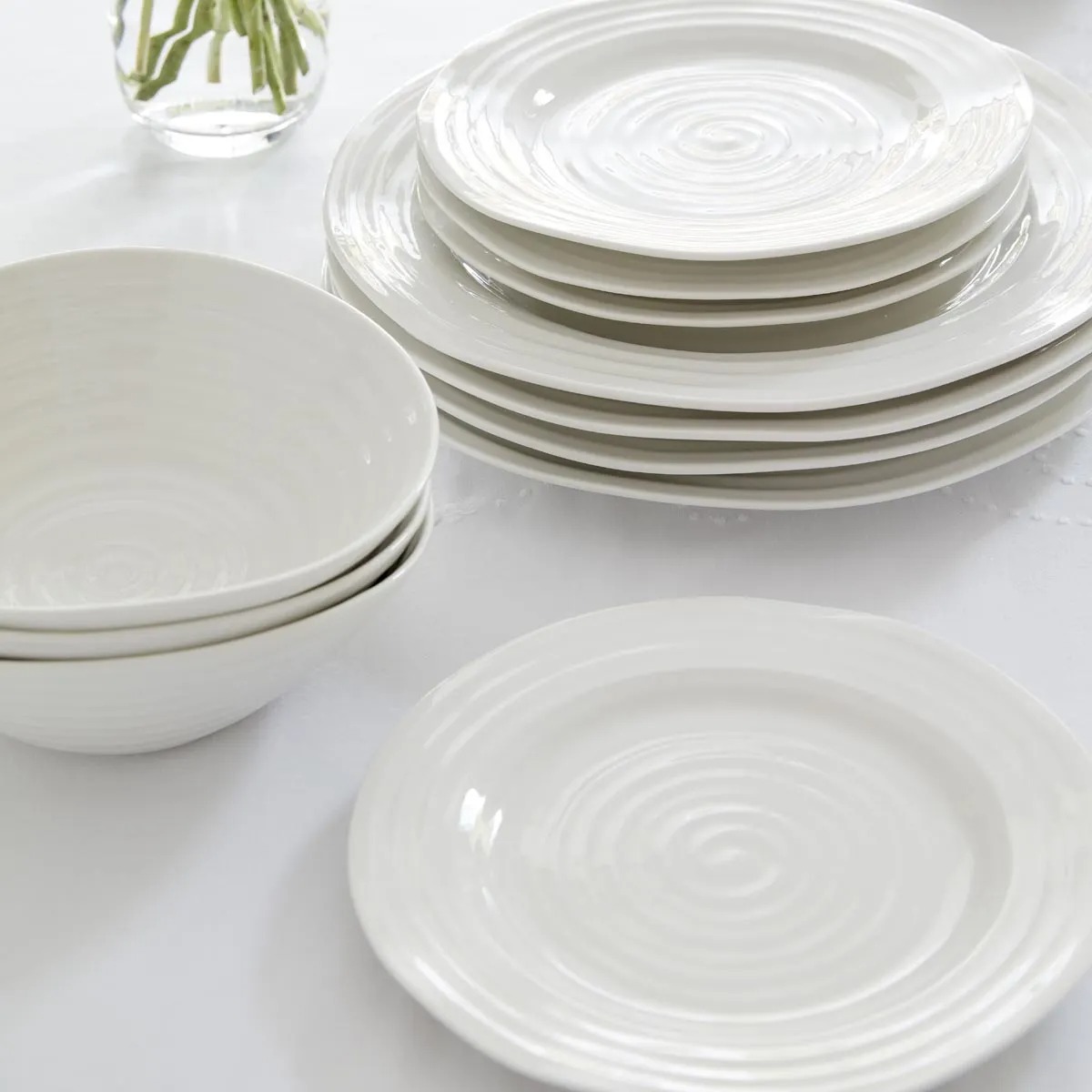
A Table That Changes With You
The way we use our homes changes over time, and the table changes with it. A move, a different routine, more people around the table, or simply a preference for something new can all shift what feels useful.
We want the pieces we offer to fit into that process naturally. Some may become everyday staples, while others are brought out for larger meals or particular occasions. The important part is that each piece can work alongside what is already there rather than requiring a completely new setting.
As the collection develops, we will continue looking for shapes, finishes, and combinations that work across different tables and different ways of living. The focus will remain the same: useful tableware, considered details, and pieces that are easy to make part of everyday life.